What are HCR (High Consistency Rubber) silicone products?
High Consistency Rubber (HCR) silicone products are integral to various industries due to their versatility, durability, and broad range of applications. These robust materials offer resilience and flexibility, making them an ideal choice for numerous sectors, from automotive to healthcare. Understanding the unique characteristics of HCR silicone can open up myriad opportunities for businesses seeking reliable and efficient materials for their products.
Understanding HCR Silicone
HCR, which stands for High Consistency Rubber, is a type of silicone elastomer known for its robust physical properties. It’s typically supplied as an uncured rubber-like solid that is rolled, calendared, and then thermally cured, making it extremely versatile. HCR silicone is crafted by polymerizing siloxanes, resulting in a material that can endure high temperatures and remain flexible in a wide range of environments.
Key Benefits of HCR Silicone
When opting for HCR silicone products, industries benefit from a material that is both stable and flexible, able to withstand harsh conditions without degrading. This makes HCR silicone a top contender for applications requiring durability. The ability to endure a wide temperature range and resist chemical exposure is invaluable.
Apart from physical resilience, HCR silicone products are also non-reactive and safe for use in food and medical applications. Their hypoallergenic nature and ability to maintain integrity under sterilization processes add value, particularly in healthcare settings.
Applications Across Industries
The versatility of HCR silicone is evident in its diverse range of applications. Here are some sectors that benefit significantly from HCR silicone products:
- Automotive Industry: The flexibility and durability of HCR silicone are crucial for components exposed to high thermal stress, such as gaskets, seals, and cables.
- Electronics: HCR silicone is used for insulation and protection due to its excellent dielectric properties and stability over varying temperatures.
- Healthcare: Its biocompatibility makes it ideal for medical devices, prosthetics, and implants.
- Food and Beverage: Thanks to their non-toxic nature, HCR silicone products are often used in food-grade applications, such as kitchen utensils and seals.
Processing Techniques
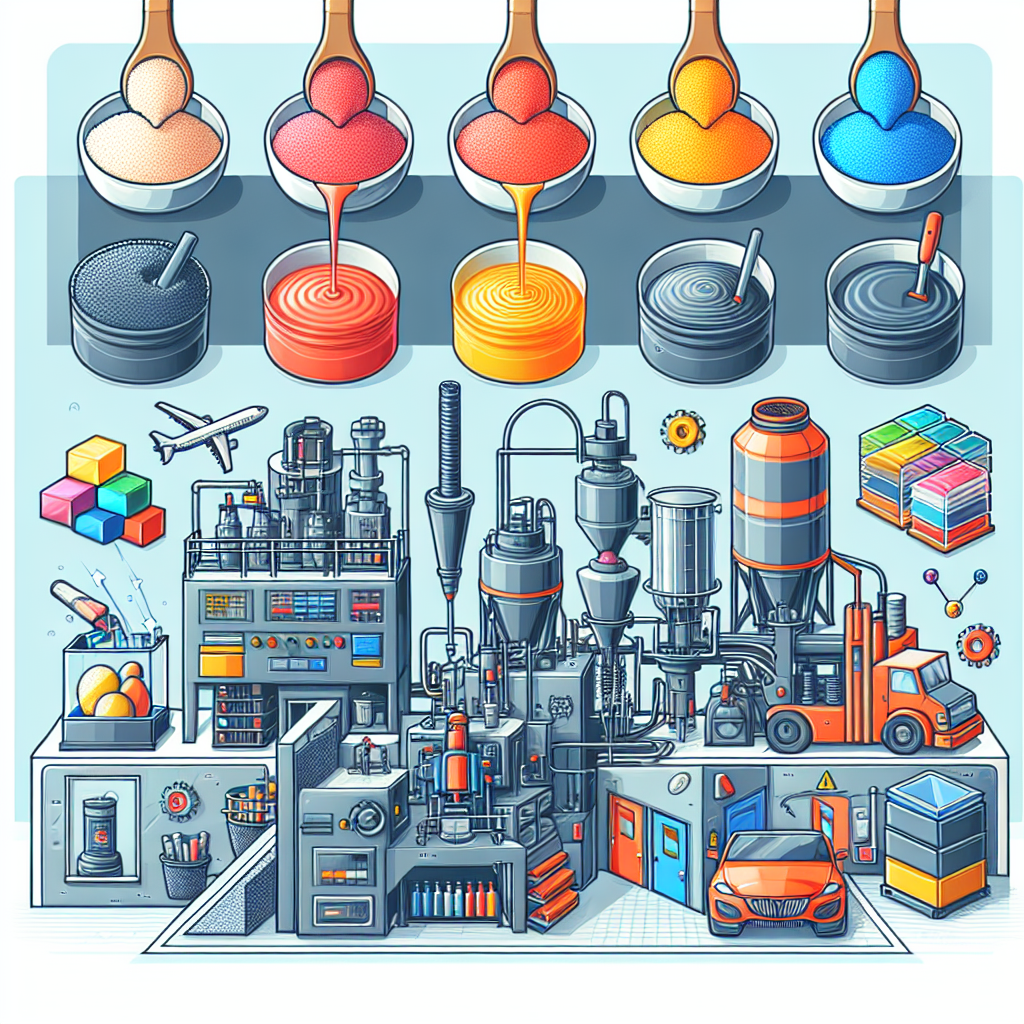
Manufacturing with HCR silicone involves various processing techniques. Common methods include compression molding, transfer molding, and extrusion. These processes allow HCR silicone to be shaped into complex designs, catering to unique industry demands. Each method has specific advantages, depending on the application and required properties.
Design Flexibility and Customization
The adaptability of HCR silicone extends to its ability to be customized to specific needs. Different formulations can adjust properties like tensile strength, elongation, and hardness. Color options can be extensively tailored, opening further possibilities for design-oriented applications.
For businesses needing specific properties, customized HCR silicone formulations provide a competitive edge. The capability to enhance product performance with bespoke solutions ensures that companies can precisely meet their operational and market needs.
Environmental Considerations
In a market increasingly concerned with environmental impact, HCR silicone’s durability translates to more sustainable practices by reducing the need for frequent replacements. Additionally, many manufacturers focus on eco-friendly production processes, further enhancing HCR silicone’s appeal as a sustainable material choice.
Choosing the Right HCR Silicone Products
With HCR silicone continuing to evolve, businesses have more options than ever in selecting the right materials for their needs. Technical support and material expertise from suppliers can be invaluable. They help navigate through the numerous grades and formulations available, ensuring optimal selection for particular applications.
It’s essential to engage manufacturers that not only provide high-quality silicone products but also offer insights into the latest advancements in the field. Collaborating with experienced providers ensures that businesses remain ahead of the curve, leveraging the latest technologies and innovations in HCR silicone.
Future Prospects
The future of HCR silicone is promising, as ongoing research and development continue to broaden its capabilities. Emerging applications, especially in high-tech industries, are likely to see significant growth, as the demand for high-performance materials increases.
As new challenges arise, particularly around sustainability and technological integration, HCR silicone’s flexibility and adaptive qualities will play an increasingly crucial role. Businesses that harness these evolving properties can enhance both their environmental responsibility and technical proficiency.
Ultimately, HCR silicone represents not just a reliable choice for today’s needs, but a powerful material poised to meet tomorrow’s challenges. By understanding its properties and applications, businesses can make informed decisions that drive efficiency and innovation.