Teaching strategies for multicultural classroom
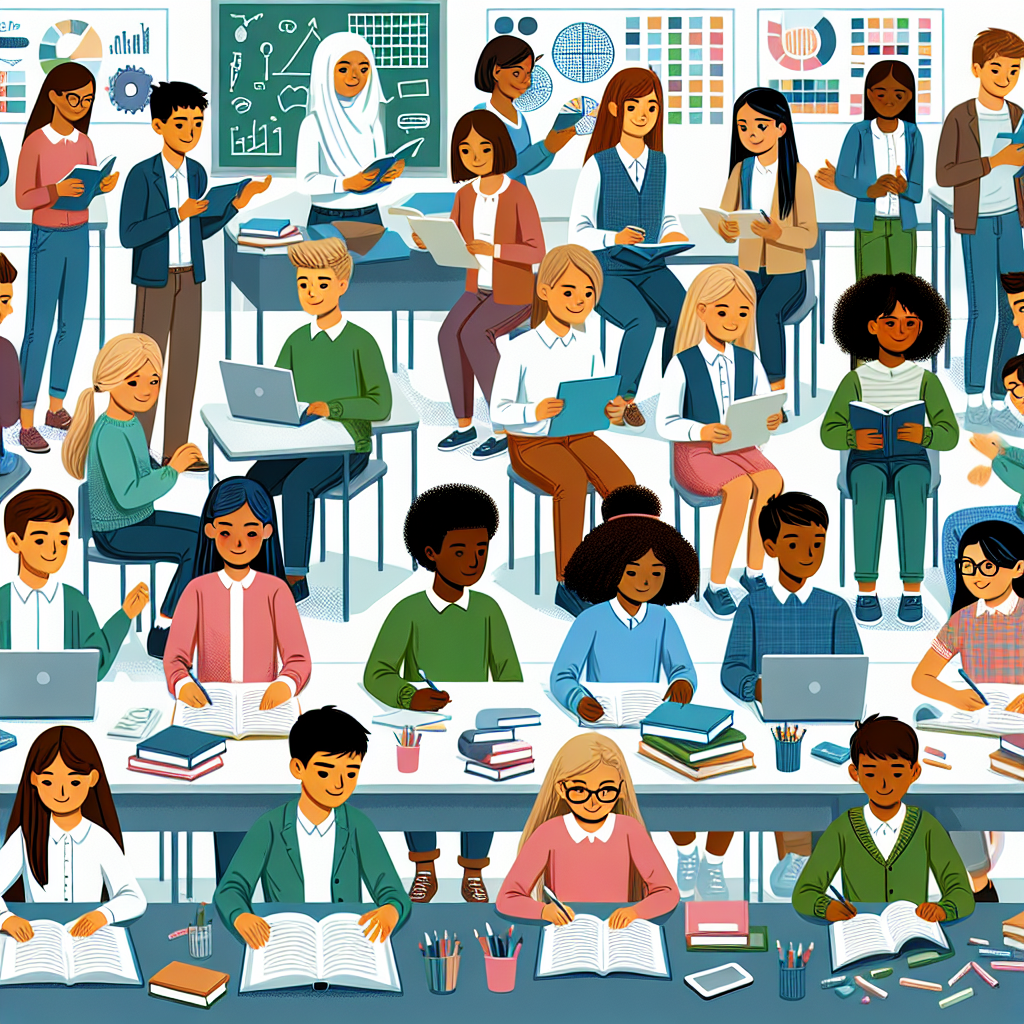
Embracing diversity within educational environments is not only a reflection of the evolving classroom dynamics but also a gateway to enriching learning experiences. Effective teaching strategies for multicultural classroom settings are pivotal for facilitating an inclusive and supportive atmosphere where every student has the opportunity to thrive.
Understanding Multicultural Education
Multicultural education involves a process where educators and students work together to create equal educational opportunities regardless of cultural background. This pedagogical approach encourages respect, acceptance, and collaboration among diverse student groups. Recognizing the cultural richness in the classroom provides a foundation for fostering an environment of mutual learning and growth.
Cultural Competency and Teaching
For teachers, cultural competency is crucial. It involves understanding, respecting, and appropriately responding to the variety of cultures, languages, ethnic backgrounds, and learning styles represented in their classroom. Culturally competent teachers are key to implementing successful multicultural teaching strategies.
Cultivating an Inclusive Curriculum
An inclusive curriculum reflects and respects the diverse experiences and perspectives of all students. It incorporates materials that represent various cultural viewpoints and historical contributions. A curriculum that integrates diverse narratives not only validates the identities of all students but also broadens their understanding of the world.
Create a Supportive Classroom Environment
Building relationships based on trust and understanding is essential in a multicultural classroom. Respecting each student’s unique background and reinforcing the idea that everyone’s voice is valuable, helps in creating a nurturing learning atmosphere.
Teaching Strategies That Make an Impact
Implementing specific strategies can significantly enhance the learning experience in a multicultural classroom. Below are some effective approaches.
- Differentiated Instruction: Tailoring teaching methods to meet the diverse academic needs and learning styles of students ensures that no one is left behind. This may include various forms of visual aids, collaborative projects, or personalized assessments.
- Collaborative Learning: Group activities where students work together can highlight each individual’s strengths while teaching essential communication and teamwork skills.
- Critical Thinking Development: Encouraging students to question and analyze information critically promotes a deeper understanding and respect for different cultures and perspectives.
Utilizing Technology Wisely
Technological tools can be powerful in supporting multicultural education. Through digital platforms, students can explore global perspectives, collaborate with peers from around the world, and access a vast array of cultural resources.
Leveraging Community Resources
Local communities are a treasure trove of cultural knowledge and resources. Involving community members and utilizing local cultural centers can enhance students’ understanding and appreciation of different cultures.
Continuous Professional Development for Educators
Professional development opportunities focused on multicultural education are vital. Teachers must continuously hone their skills and understanding to effectively meet the needs of their increasingly diverse student populations.
For more in-depth insights on the role of teachers in a multicultural classroom, consider exploring comprehensive resources and guides designed to empower educators with knowledge and strategies. One such valuable resource can be accessed at https://embassyschool.pl/community/news/what-is-the-role-of-teacher-in-multicultural-classroom/.
Assessing Cultural Responsiveness
Regular assessment of teaching strategies and classroom practices for cultural responsiveness can reinforce an educator’s commitment to multicultural education. It is crucial to reflect on the impact of these strategies on student engagement and learning outcomes.
Ultimately, multicultural education teaches students to value diversity as a means towards becoming compassionate and informed global citizens. This inclusive approach to teaching benefits students by preparing them to succeed in a pluralistic society and fosters an educational experience that is enriching for all. As classrooms continue to diversify, educators are empowered to embrace multiculturalism and implement teaching strategies that resonate with all students, paving the way for a more inclusive world.