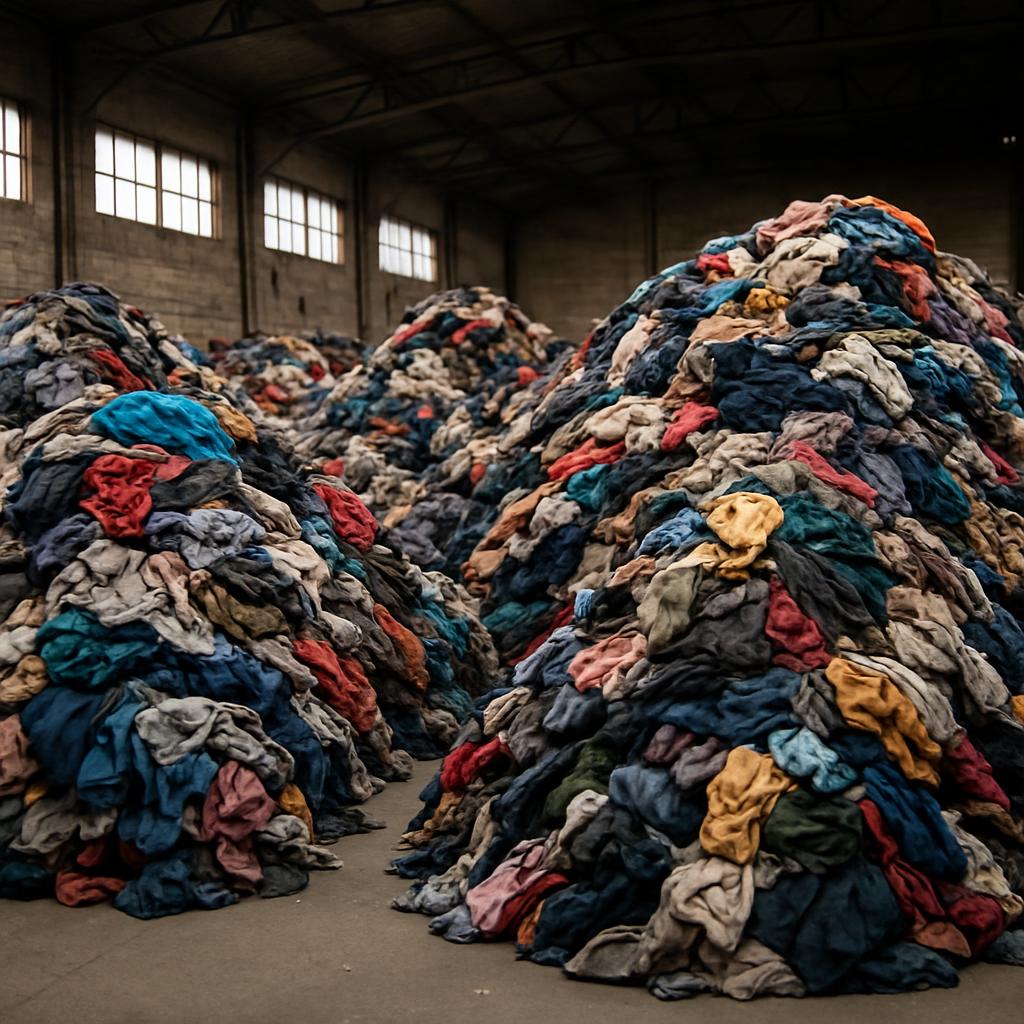
Stock clothes per kilo Europe – how does this business model really work?
Stock clothes per kilo is a unique business model in Europe that leverages surplus production and returns from major retailers to offer fashionable garments at a lower price. This model allows wholesalers to quickly sell large volumes of clothing, providing significant opportunities for smaller retailers to acquire branded products at a fraction of standard prices.
How does the stock clothes per kilo business model work?
The stock clothes per kilo business model operates on the principle of selling excess inventory, unsold items, and returns in weight-based packages rather than individual pieces. This approach enables wholesalers to move vast quantities of goods efficiently. The model relies on a detailed „packing list” that specifies the sizes and styles included in each package, permitting buyers to accept the risk of receiving less popular sizes in exchange for lower costs.
Does the pricing vary in the stock clothes per kilo market?
Yes, pricing in the stock clothes per kilo market fluctuates based on the category and quality of the garments. Typically, the price per kilogram ranges from 40 to 120 PLN, influenced by the type of clothing included in the packages. For instance, accessories tend to be cheaper compared to premium apparel, where margins can considerably increase when sold individually, often reaching 100% to 300%.
When is the stock clothes model most effective for businesses?
The stock clothes per kilo model is particularly effective for businesses aiming to reduce costs while offering branded products to customers. It is especially advantageous for small retailers seeking to compete in the fashion market without carrying the high overhead of new inventory. Efficiency in managing a diverse assortment of stock further enhances the model’s viability.
Why is the packing list important in this model?
The packing list is vital as it outlines the specific items included in each package and helps buyers understand the distribution of sizes and styles they might receive. This transparency helps retailers make informed decisions about their purchases, balancing the potential risk of receiving hard-to-sell sizes with the benefit of a lower price point.
Which retailers supply stock clothes for this model?
Various retailers contribute to the stock clothes supply chain, predominantly major e-commerce platforms and established European clothing chains. Well-known brands like Inditex and H&M, as well as online retailers such as Zalando and ASOS, offer their unsold inventory through this model, enabling substantial cost savings for smaller businesses.
How much unsellable stock can buyers expect in packages?
Buyers should anticipate a certain percentage of unsellable stock in weight-based packages, typically ranging from 5% to 15%. This „waste” may consist of damaged goods or out-of-fashion items. Understanding this aspect is crucial for pricing strategies and overall profitability in the resale business.
| Garment Type | Price per kg (PLN) | Typical Resale Margin (%) | Expected Waste (%) |
|---|---|---|---|
| Accesories | 40-60 | 100-150 | 5-10 |
| Standard Clothing | 60-90 | 150-200 | 10-15 |
| Premium Brands | 90-120 | 200-300 | 10-15 |
Retailers engaged in the stock clothes per kilo market benefit not only from the lower acquisition costs but also from the flexibility offered by the model in managing inventory. Adapting to a quickly changing fashion landscape becomes feasible as businesses leverage this innovative approach. For more information, explore how stock clothes per kilo Europe can transform retail experiences.