Ranking silicone types for industrial use – which silicone is best for your application?
Choosing the right type of silicone for specific industrial applications can greatly influence the effectiveness, durability, and overall success of a project. With a multitude of silicone varieties available, understanding their specific characteristics and applications is crucial for making informed decisions.
Understanding Silicone Types
Silicones are versatile polymers with a wide range of properties, making them suitable for various applications across different industries. In general, the types can be categorized into several groups based on their formulation and intended use.
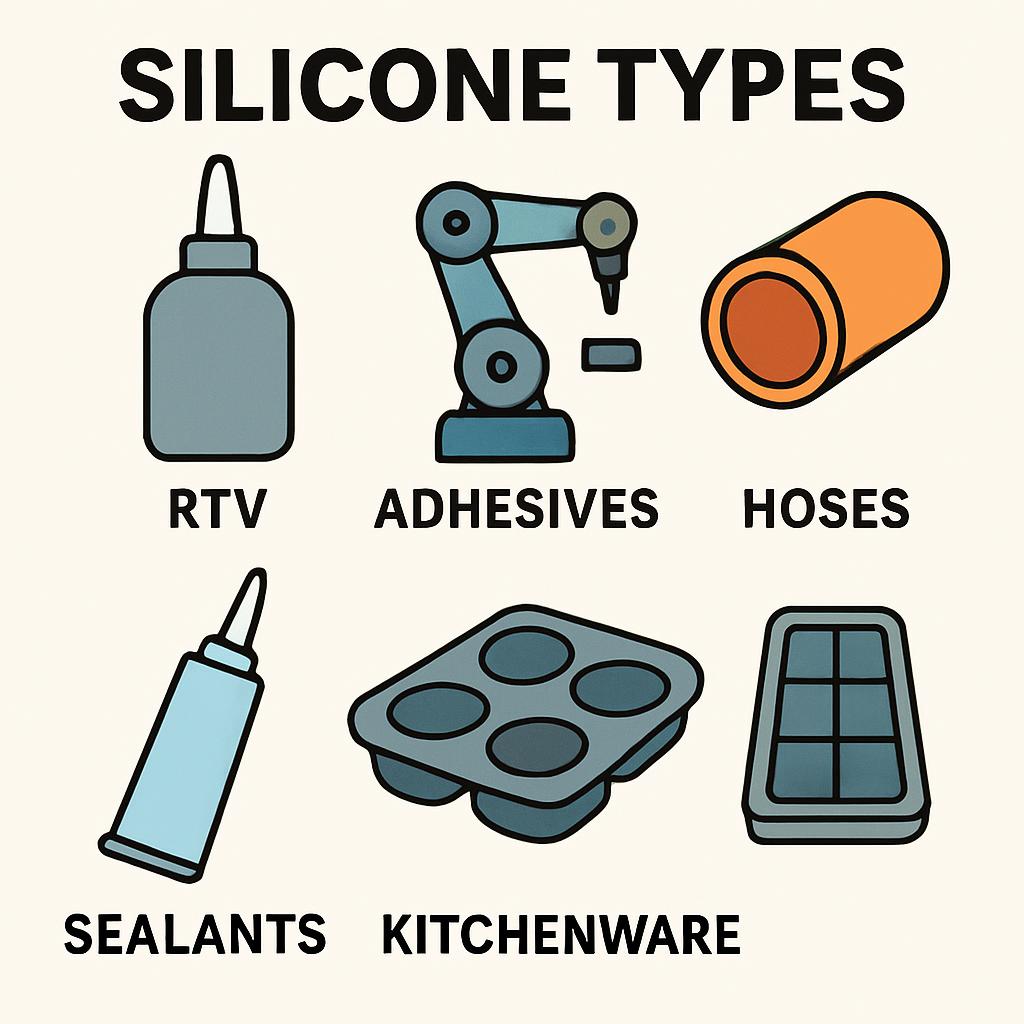
- Room-Temperature Vulcanizing (RTV) Silicone: RTV silicones cure at room temperature, making them user-friendly and accessible for various projects.
- High-Temperature Silicone: This type is designed to withstand extreme temperatures, suitable for automotive and industrial applications.
- Silicone Foam: Used primarily for insulation or cushioning, silicone foam offers excellent thermal and acoustic properties.
- Liquid Silicone Rubber (LSR): Known for its unique properties, LSR is ideal for precision molded components in medical and consumer products.
Choosing the Right Silicone for Your Application
When selecting a silicone type for a particular use, consider the following factors:
- Temperature Resistance: If your application involves extreme heat or cold, choose silicones specifically engineered to withstand such conditions.
- Environmental Factors: Evaluate whether exposure to chemicals, UV light, or moisture could affect the silicone’s performance.
- Mechanical Properties: Assess tensile strength, elasticity, and compression set to ensure the silicone can endure the operational environment.
- Compliance and Applications: Ensure the silicone meets industry standards for safety and regulations, particularly in medical or food-grade applications.
Benefits of Silicone in Various Industries
The benefits of silicone utilization span multiple sectors, significantly enhancing performance, efficiency, and reliability. Here are some notable uses across different industries:
1. Automotive Industry
In automotive applications, silicone offers superior heat and oil resistance, making it ideal for gaskets, seals, and hoses. This reduces the likelihood of leaks and failures, contributing to vehicle longevity and safety.
2. Medical Applications
Due to its biocompatibility, silicone is widely used in producing medical devices, prosthetics, and silicone implants. Its flexibility and durability also enhance patient comfort, which is critical in healthcare settings.
3. Construction and Building Materials
In the construction industry, silicone sealants and adhesives provide excellent weather resistance, ensuring structural integrity. This dramatically improves the lifespan of buildings and materials.
4. Electronics
Silicone serves as an insulator and protective coating for various electronic devices. The material’s waterproof properties ensure maximum durability and functionality, ultimately offering better protection for sensitive components.
Exploring Specialty Silicones
Beyond standard silicone types, specialty silicones have emerged to address specific challenges. For example, fluorosilicones are designed to withstand aggressive chemical environments, making them indispensable in the oil and gas industries.
The advancements in silicone technology have greatly expanded its applications and capabilities. Ultimately, selecting the right silicone requires a comprehensive understanding of the demands of your specific application.
Future Trends in Silicone Development
As industries evolve, so do the demands on materials used. The future of silicone seems promising, with ongoing research leading to innovations such as bio-based silicones and improved manufacturing methods that emphasize sustainability. Adaptation to these trends not only drives performance but also aligns with global sustainability goals.
In summary, the ranking of silicone types for industrial use is determined not just by performance but also by specific application needs. Understanding the fundamental characteristics of each silicone type is essential in ensuring optimal results. Investing time in selecting the right silicone can significantly enhance product quality, operational efficiency, and market competitiveness.
By focusing on the purpose and environment of use, professionals can harness the unique properties of silicone, paving the way for innovative solutions across various industries.