Liquid silicone rubber – a complete guide to LSR injection moulding
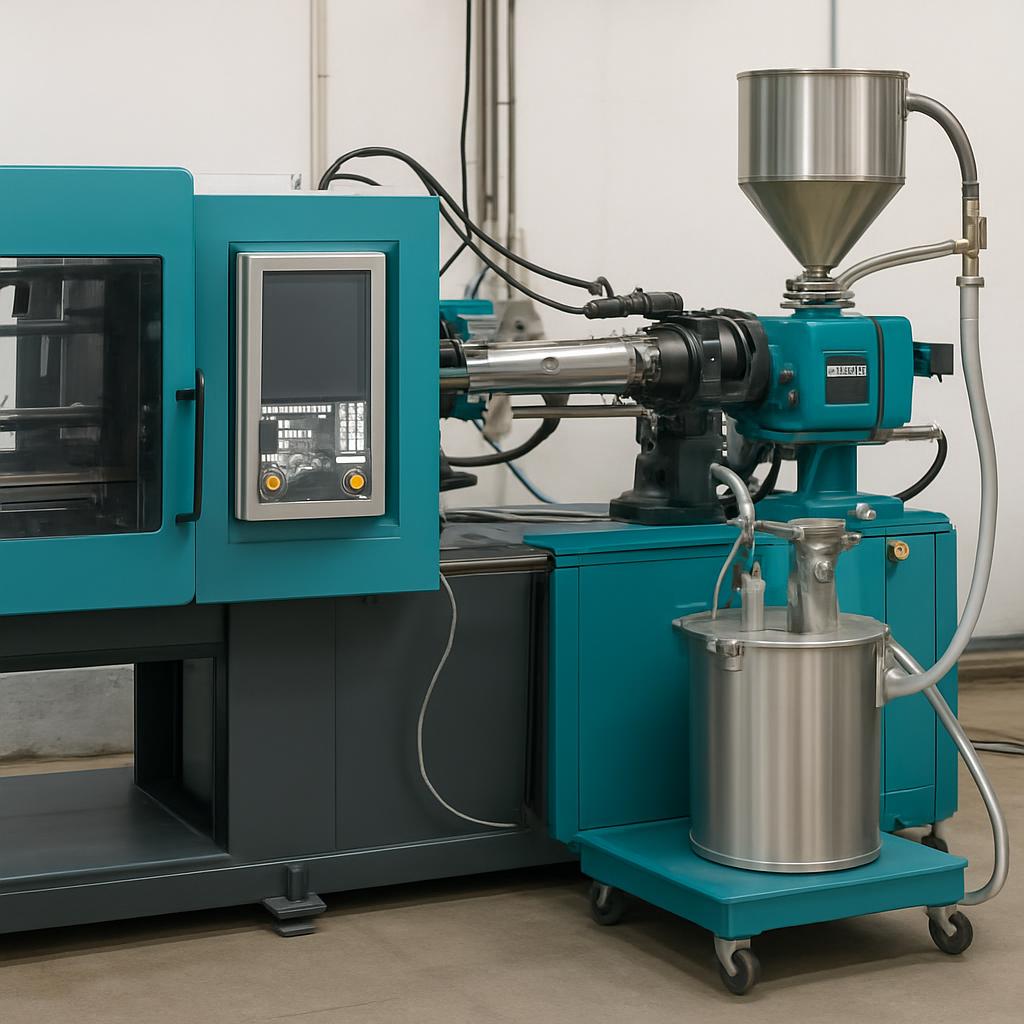
Liquid silicone rubber (LSR) injection moulding is an advanced technology that streamlines the production of complex, high-purity medical and automotive components while ensuring durability and biocompatibility. This innovative process optimizes the use of liquid silicone to create various items used in medical devices, automotive applications, and more.
How does LSR injection moulding work?
LSR injection moulding operates by mixing two components (A and B) in a precise 1:1 ratio, which are then injected into a heated mould where they undergo thermal curing. This process transforms the liquid silicone into a solid, flexible part that is ready for use. The ability to use automated systems ensures consistency and reduces contamination risks.
Why choose LSR over traditional elastomers?
Choosing LSR provides numerous advantages over traditional elastomers, primarily due to its excellent biocompatibility and ability to endure extreme temperature ranges from -50°C to +200°C. This makes it ideal for applications that require high purity and chemical resistance, such as in the medical industry where components must meet stringent safety standards.
When is LSR particularly beneficial?
LSR is especially beneficial in scenarios requiring intricate parts with thin walls and precision tolerances, as it allows for the production of complex geometries at high speeds. For example, components like seals in medical devices, or protective covers and seals in automotive applications, leverage LSR’s unique properties.
Which industries are seeing growth with LSR technology?
The growth of LSR technology is particularly notable in the medical, automotive, and lighting industries. For instance, the medical sector employs LSR for manufacturing items such as pacemaker components and dialysis equipment, owing to its biocompatibility. Similarly, the automotive industry utilizes LSR in seals and gaskets to improve durability and performance.
How does the automated process enhance production efficiency?
Automation in LSR injection moulding enhances production efficiency by enabling faster cycle times and reducing the chances of human error. This allows manufacturers to maintain consistent quality across large production runs. Furthermore, the closed-loop system minimizes waste and contamination, which is critical in industries adhering to strict quality controls.
What are the specific properties of LSR?
LSR possesses several remarkable properties, including high optical clarity, UV resistance, and excellent mechanical strength. These characteristics make it well-suited for applications like LED lenses, where transparency and durability are paramount.
| Property | Description |
|---|---|
| Temperature Resistance | -50°C to +200°C |
| Biocompatibility | Meets medical-grade standards |
| UV Resistance | Excellent for outdoor applications |
| Flexible and Durable | Retains properties over time |
In conclusion, liquid silicone rubber injection moulding stands out as a cutting-edge solution for diverse manufacturing needs, making it an invaluable resource in industries focused on innovation and precision.