What are silicone gaskets seals?
Silicone gaskets play a crucial role in numerous industries due to their exceptional properties that provide durability, flexibility, and heat resistance. As versatile sealing solutions, these gaskets are used to create airtight seals, preventing leaks and safeguarding components in various environments. This article delves into the specifics of silicone gaskets and their applications, illustrating their importance in modern industry and technology.
Understanding Silicone Gaskets
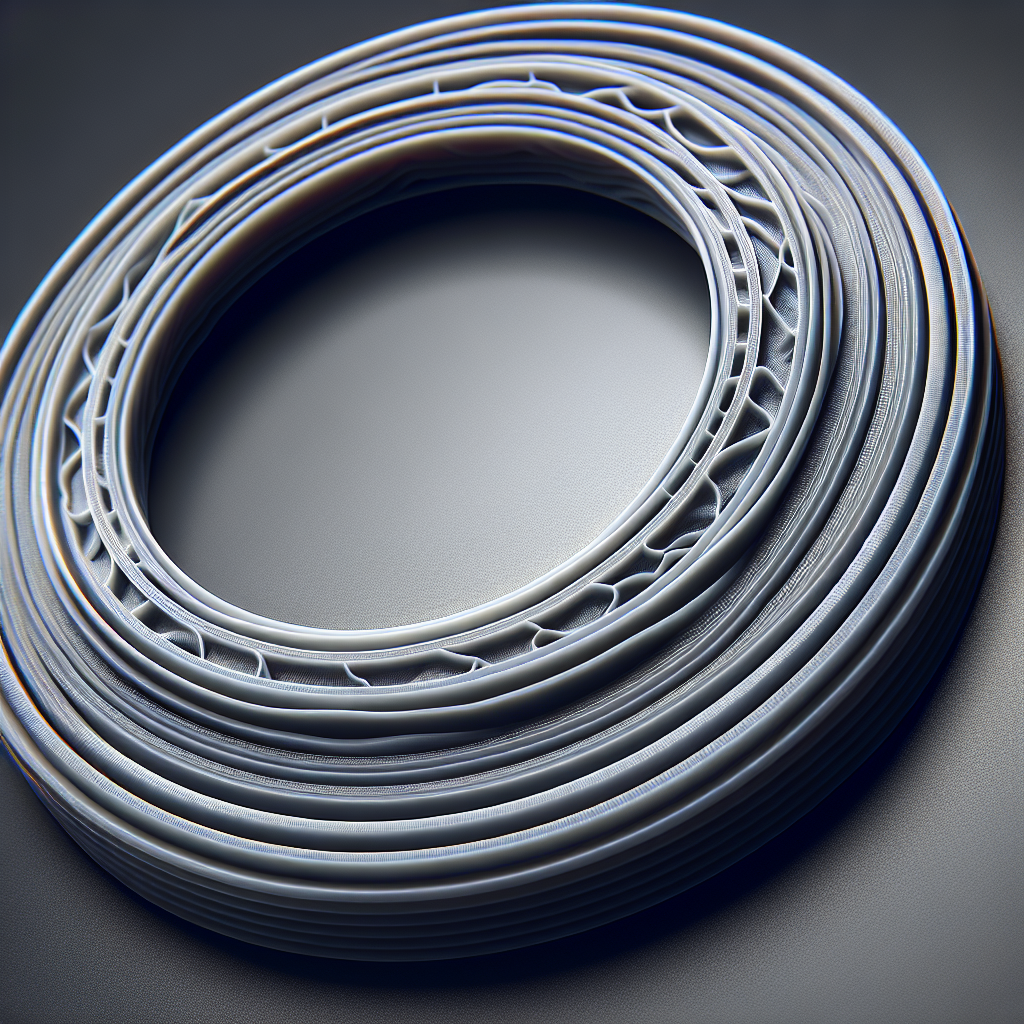
Silicone gaskets are essential elements used to create seals that prevent unwanted gas or liquid flow between two surfaces. Typically crafted from silicone rubber, they demonstrate excellent resilience, elasticity, and the capacity to maintain a secure seal even when exposed to harsh conditions. Silicone rubber is a popular material owing to its superior resistance to temperature extremes, UV radiation, and ozone exposure.
Characteristics and Benefits of Silicone Gaskets
Silicone gaskets possess unique attributes that enhance their performance and durability. Here are some key benefits of using silicone gaskets:
- Temperature Resistance: Silicone gaskets can withstand extreme temperatures ranging from -100°F to 500°F (-73°C to 260°C), making them suitable for automotive and industrial applications where high heat or cold is a factor.
- Flexibility and Elasticity: These gaskets provide excellent flexibility and recoverability, ensuring they retain their shape and function over extended periods, even under compression.
- Weather and Chemical Resistance: Their resistance to UV radiation, ozone, and various chemicals gives them a durable edge, even in harsh environmental conditions.
- Electrical Insulation: Silicone gaskets possess excellent dielectric properties, making them suitable for protecting sensitive electronic components.
- Non-Toxicity and Safety: Silicone is non-toxic and safe for use in applications, including those that come into contact with food or involve medical devices.
Applications of Silicone Gaskets
The versatility of silicone gaskets makes them indispensable across numerous fields. Their usage can range from simple home appliances to complex aerospace equipment. Below is a look into some industries where silicone gaskets are commonly used:
- Automotive Industry: In vehicles, silicone gaskets seal engines, transmissions, and exhaust systems, preventing oil leaks and noise while withstanding high temperatures and pressures.
- Electronics: Silicone gaskets protect electronic components from dust, moisture, and vibrations, ensuring optimal operation and longevity.
- Food and Beverage: Due to their non-toxic nature, silicone gaskets are utilized in food processing equipment, providing a safe seal that withstands rigorous sanitation processes.
- Medical Devices: The medical field relies on silicone gaskets for equipment like respiratory devices and prosthetics, benefiting from the material’s safety and flexibility.
- Aerospace: The aerospace sector uses silicone gaskets in aircraft and spacecraft for their durability and ability to withstand temperature extremes.
Choosing the Right Silicone Gasket
When selecting silicone gaskets, it is essential to consider the specific requirements of the application. Factors such as temperature range, chemical exposure, and mechanical stress should guide your selection process. Customization options are often available, ensuring that you can obtain the right gasket for your unique needs. For more information on choosing suitable silicone gaskets, consulting with experts or manufacturers can provide valuable guidance.
Installation and Maintenance Tips
Proper installation and maintenance of silicone gaskets are vital to ensure their effectiveness and longevity. Here are some tips to consider:
- Ensure Clean Surfaces: Before installation, make sure the surfaces are clean and free from debris, oil, or old gasket material.
- Use the Correct Type: Ensure that the gasket is compatible with the materials it will contact and the environmental conditions it will face.
- Check Alignment: Properly align the gasket to avoid stresses that may lead to premature failure.
- Regular Inspection: Perform regular inspections and replace gaskets showing signs of wear, cracking, or deformation.
The Future of Silicone Gaskets
Advancements in manufacturing technology continue to improve the performance and versatility of silicone gaskets. As industries expand and require more efficient sealing solutions, silicone gaskets are expected to play an increasingly vital role. Ongoing research and innovation are likely to refine their properties even further, leading to enhanced applications and new possibilities across various sectors. As a result, **silicone gaskets remain a valuable asset for businesses aiming for operational excellence and reliability.**