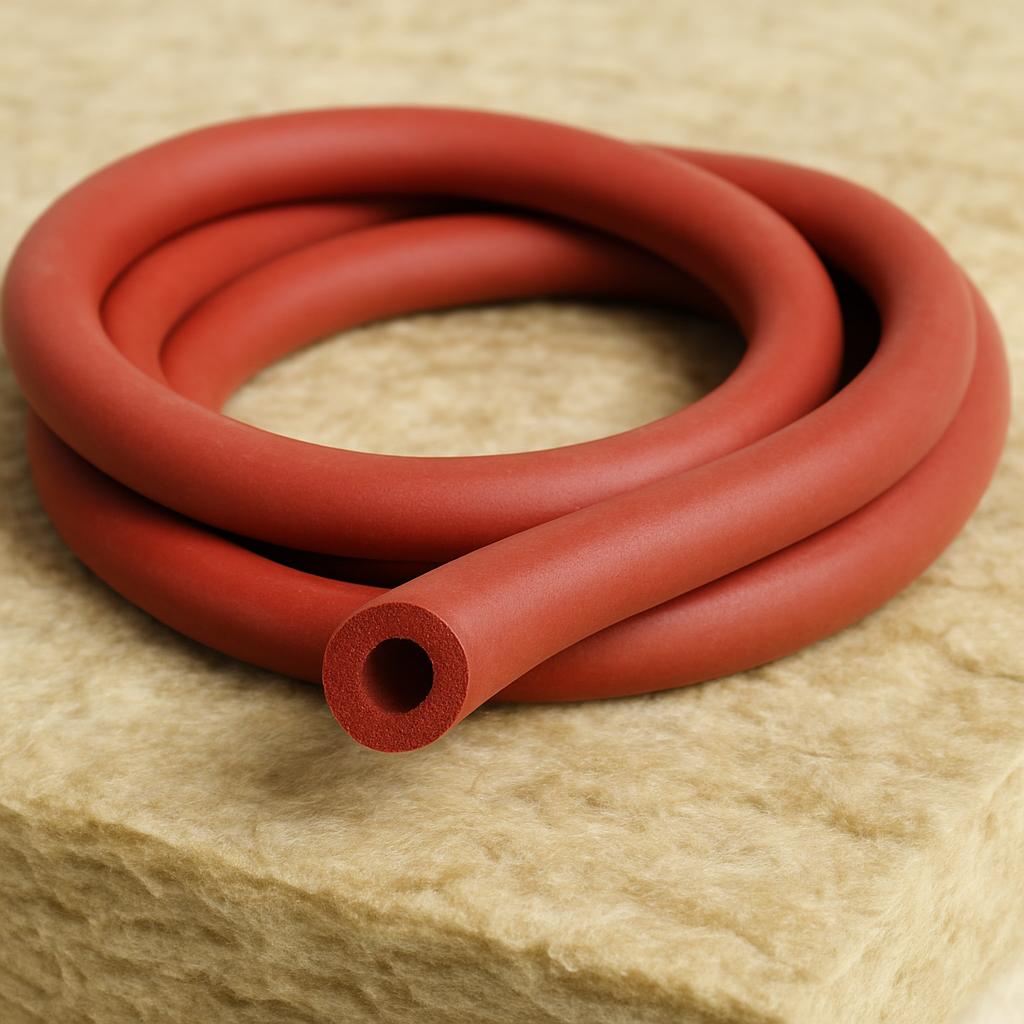
Silicone sponge tubing in thermal insulation – where it performs best
Silicone sponge tubing offers exceptional thermal insulation properties across a wide temperature range, maintaining flexibility and resistance in harsh conditions. This material is particularly advantageous in industries such as food processing and pharmaceuticals, ensuring compliance with safety standards and reliability in operational environments.
How does silicone sponge tubing perform in extreme temperatures?
Silicone sponge tubing maintains its properties within a broad temperature range, from -60°C to +230°C, and in specialized versions even up to +300°C. This remarkable thermal stability sets it apart from conventional insulating materials like EPDM and polyurethane, making it suitable for demanding applications.
The ability to endure such extreme temperatures ensures that installations using this material remain functional and efficient under varying environmental conditions. For example, in industrial settings where liquids may fluctuate from freezing to boiling, silicone sponge tubing provides consistent performance without compromising insulation integrity.
Why is the closed-cell structure of silicone sponge tubing important?
The closed-cell structure of silicone sponge tubing significantly enhances its resistance to moisture, oils, and other contaminants. This feature prevents the absorption of water, which is crucial for avoiding issues related to corrosion under insulation (CUI) and helps maintain thermal performance even in humid conditions.
By eliminating moisture retention, industries can reduce maintenance costs and extend the lifespan of their thermal systems. For instance, in food processing facilities, this characteristic ensures that the insulation remains dry and effective, thus preventing potential food safety hazards.
Which industries benefit from silicone sponge tubing?
Silicone sponge tubing is widely utilized in industries such as food processing, pharmaceuticals, and energy, owing to its exceptional hygienic properties and compliance with health regulations. Its resistance to UV rays and various chemicals further enhances its application potential in outdoor and harsh environmental settings.
In the food industry, certifications like FDA compliance make this material ideal for insulating pipelines that transport consumables. Similarly, in pharmaceutical environments, its ability to resist contamination contributes to the safety and reliability of critical processes.
How does silicone sponge tubing contribute to fire safety?
Silicone sponge tubing is inherently flame-retardant, providing superior fire safety compared to many plastic foam alternatives. When burned, it emits non-toxic smoke, which is crucial in public buildings and transportation environments, aligning with stringent safety regulations.
For example, in railway applications, adherence to EN 45545 fire safety standards necessitates the use of materials that minimize fire risks, which silicone sponge tubing effectively meets.
What are the mechanical properties of silicone sponge tubing?
Silicone sponge tubing exhibits excellent mechanical properties, including low permanent deformation, making it suitable for applications where it is subjected to cyclic pressure or vibration. This resilience ensures that the tubing returns to its original shape after compression, which is essential for reliable insulation.
For instance, in laboratory environments where equipment may vibrate or shift, the ability of silicone sponge tubing to maintain its form under stress ensures ongoing efficacy in thermal protection.
| Property | Standard Silicone Sponge Tubing | Specialized Silicone Sponge Tubing |
|---|---|---|
| Temperature Range | -60°C to +230°C | -60°C to +300°C |
| Corrosion Resistance | High | Very High |
| Fire Safety Rating | Flame-retardant | Enhanced Flame-retardant |
| Compliance Standards | FDA, PZH | FDA, PZH |
How effective is silicone sponge tubing in preventing corrosion?
The effectiveness of silicone sponge tubing in preventing corrosion is primarily due to its closed-cell structure, which does not retain moisture or facilitate the collection of harmful substances. This property is critical in industries where metal components are susceptible to corrosion under insulation.
Consider a plant that operates with steam lines; silicone sponge tubing can be used effectively to insulate these lines, thereby significantly reducing the risk of corrosion developing on the underlying metal due to moisture accumulation.
What makes silicone sponge tubing a cost-effective insulation solution?
Silicone sponge tubing provides a cost-effective insulation solution through its durability and reduced maintenance needs. Its resilience in extreme temperatures and adverse environmental conditions leads to lower replacement rates and maintenance costs over time.
For instance, facilities that utilize silicone sponge tubing for insulation can experience extended service life and decreased operational downtime, translating into significant long-term savings.