Co-extrusion – combining multiple materials for advanced performance features
Co-extrusion is a pivotal process in modern manufacturing, enabling the combination of multiple materials into a single composite product that boasts advanced performance features. This innovative technique is reshaping industries by integrating diverse material properties into one cohesive solution. It offers unparalleled advantages in terms of design flexibility, cost efficiency, and functional enhancement, making it a sought-after method in various sectors such as construction, automotive, packaging, and consumer goods.
Understanding the Co-extrusion Process
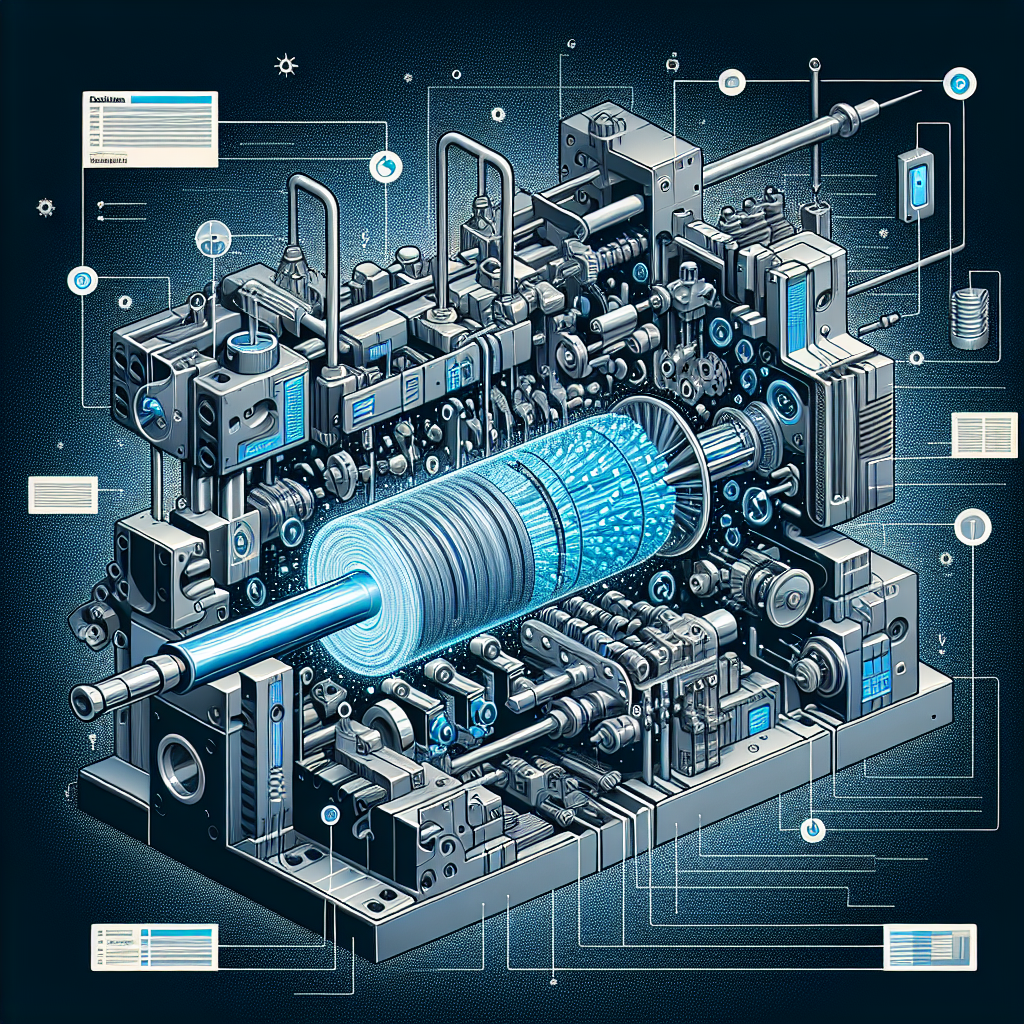
In simple terms, co-extrusion involves the simultaneous extrusion of multiple materials through a single die to create a layered or composite structure. This process allows manufacturers to harness the distinct properties of each material, such as strength, flexibility, or chemical resistance, to meet specific functional requirements and display optimal performance.
Key Benefits of Co-extrusion
The benefits of co-extrusion are manifold, making it a game-changer in production techniques across diverse industries:
- Material Efficiency: By utilizing multiple materials effectively, manufacturers can reduce waste and optimize the use of expensive materials in applications that demand only their critical properties.
- Design Flexibility: The process allows for innovative product designs that incorporate different colors, textures, and features within a single item, broadening the scope for creativity and customization.
- Cost Reduction: By sandwiching costlier materials between layers of less expensive ones, co-extrusion can significantly reduce overall material costs without compromising on quality or functionality.
- Enhanced Product Performance: The ability to combine materials with complementary properties means that products can perform better in terms of durability, weather resistance, insulation, and more.
Applications Across Industries
Thanks to these benefits, co-extrusion is being leveraged in numerous applications:
- Packaging: In the packaging industry, co-extruded films help improve the shelf life of products by incorporating layers that provide barrier properties against moisture, gases, and odors.
- Construction: Co-extruded profiles and panels are used extensively for cladding, decking, and other applications where weather resistance, strength, and aesthetic appeal are required.
- Automotive: This process results in automotive parts that are not only lightweight but also boast reduced noise, vibration, and harshness (NVH) attributes.
- Co-extrusion enables the development of products that are crucial in sectors requiring the integration of material capabilities for operational efficiency and enhanced utility.
Technological Advances in Co-extrusion
Recent advancements in co-extrusion technology have further expanded its capabilities. Innovations include enhanced die design, computer modeling, and control systems that allow for greater precision and consistency in material application. These technological enables ensure that the materials are combined at the molecular level, leading to products with superior quality and performance.
The Future of Co-extrusion
The future of co-extrusion looks promising, driven by the growing demand for multifunctional products that meet high-performance standards. As environmental concerns dominate the industry agenda, co-extrusion is proving to be a sustainable method due to its potential to minimize wastage and create recyclable products. Additionally, the continuous research and development in polymer science are paving the way for even more advanced material combinations, which will unlock new possibilities in product development.
Conclusion
Co-extrusion stands as a testament to the endless possibilities of material science. By enabling the synthesis of various materials into a unified form, it not only enhances the inherent properties of the product but also opens avenues for innovation and efficiency across the board. Its adoption in industries worldwide underscores a future where sustainable, cost-effective, and high-performance solutions are at the forefront of manufacturing. With ongoing advancements, co-extrusion will undoubtedly continue to evolve, driven by the demands of modern industry and the ever-increasing expectation for better, more reliable products.